Every bike shipping method compared
There are five main ways to ship a bike: a bike shipping service, a carrier directly (namely UPS, FedEx, DHL or USPS), airline checked baggage or freight. A quick trip to your local bike shop can also be helpful to determine the best method for you. Each method has different trade-offs when it comes to cost, speed, protection and your effort.
 Shipping service
 Carrier direct
 Airline baggage
 Freight
How the methods compare
| Typical cost (domestic, one way) | Speed | Protection | Effort | |
|---|---|---|---|---|
| Bike shipping service | Typically $150–$250 domestic one-way, or $300–$500 domestic round-trip | 1 to 7 days; you choose the shipping speed | $100 default liability, plus bike-specific protection available up to high values to cover even the most expensive bikes | Low: drop a packed bike at the carrier, or schedule a pickup right from your door with a prepaid label. The service monitors tracking, handles issues and takes care of claims |
| Carrier direct (UPS, FedEx, DHL, USPS) | Usually higher than through a bike shipping service | 1 to 7 days; you choose the shipping speed | $100 default liability; additional coverage available for purchase | Medium: you handle tracking issues and claims |
| Airline checked baggage | About $55 to $150 per flight segment, plus overweight fees in some cases | Same time as you, unless a connection mishap occurs | Limited or no airline liability | High: you haul the bike to and from airports, check it in and retrieve it from bag claim |
| Freight (LTL) | Varies; best per bike when shipping several at once | Slowest | Varies by freight carrier | High: palletizing and dock access |
Bike shipping service
A bike shipping service books major carriers at negotiated rates and adds specialized services designed for bike owners: protection based on the bike’s value, tracking with alerts and a support team that can fix problems in transit. For most people shipping one or two bikes, this is the best balance of cost, protection and effort.
Shipping with a carrier directly
You can take a boxed bike to a UPS or FedEx store yourself. The catch: retail rates for a box this size are often higher than a bike shipping service’s rates, and the carrier’s default liability won’t cover the replacement cost of a nice bike. You also handle any tracking issues and claims on your own. See why the right method depends on your situation.
Airline checked baggage
As of 2026, Delta, United, American, Southwest and Alaska treat a properly packed bike as a regular checked bag on domestic flights, with oversize fees waived. Overweight fees of $100 to $200 apply if the total weight (including the box or case) exceeds 50 pounds. This option works best on direct flights and for travelers using a hard case. See Ship it or fly with it? for the full comparison.
Freight
Freight (LTL, or less-than-truckload) makes sense for teams, shops and events moving many bikes at once on pallets. For a single bike, it’s usually slower and more complicated than parcel shipping.
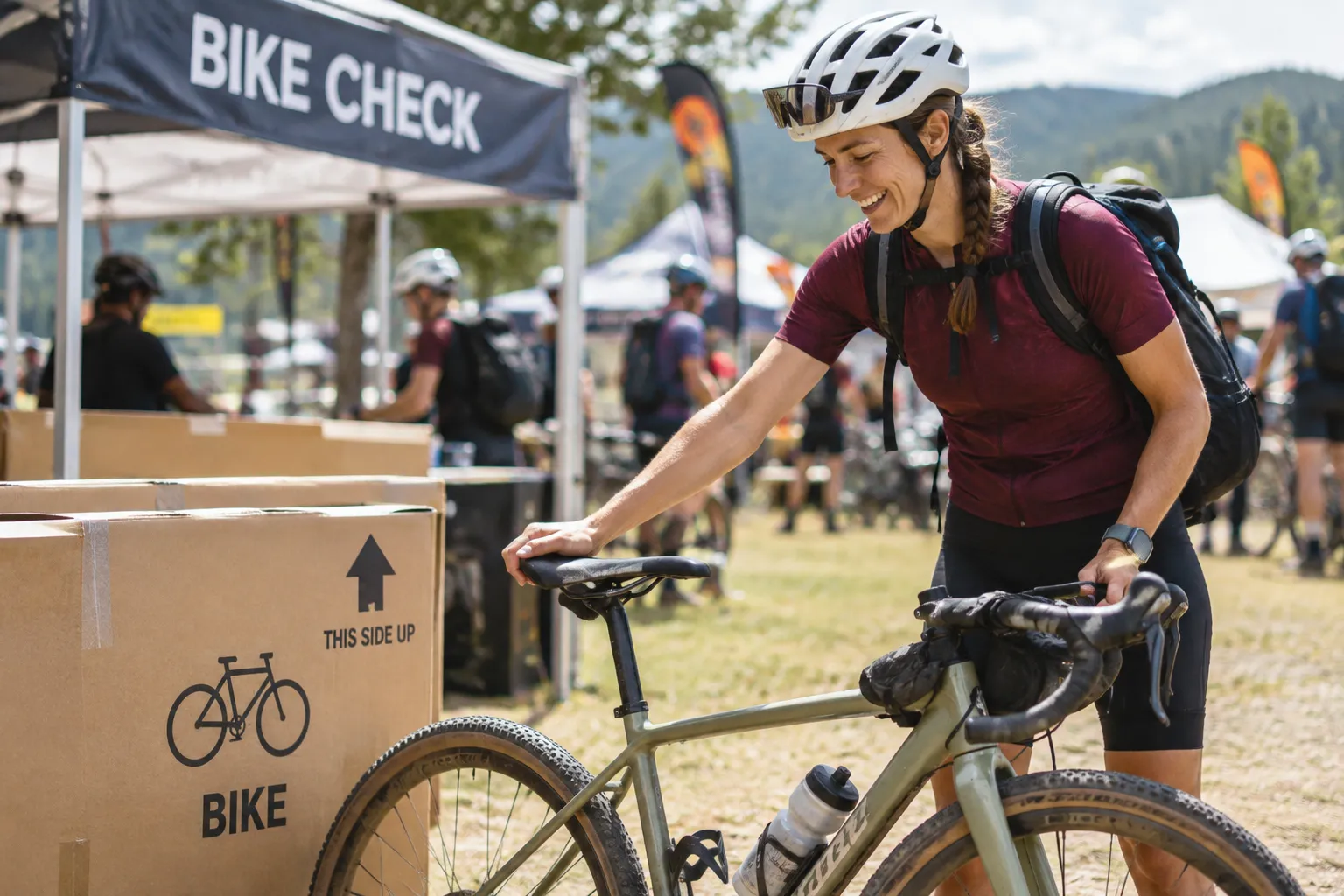 By situationShipping a bike for a race, vacation, moving, warranty issues, repairs or international travel. Here's the best shipping method for each situation, and why.
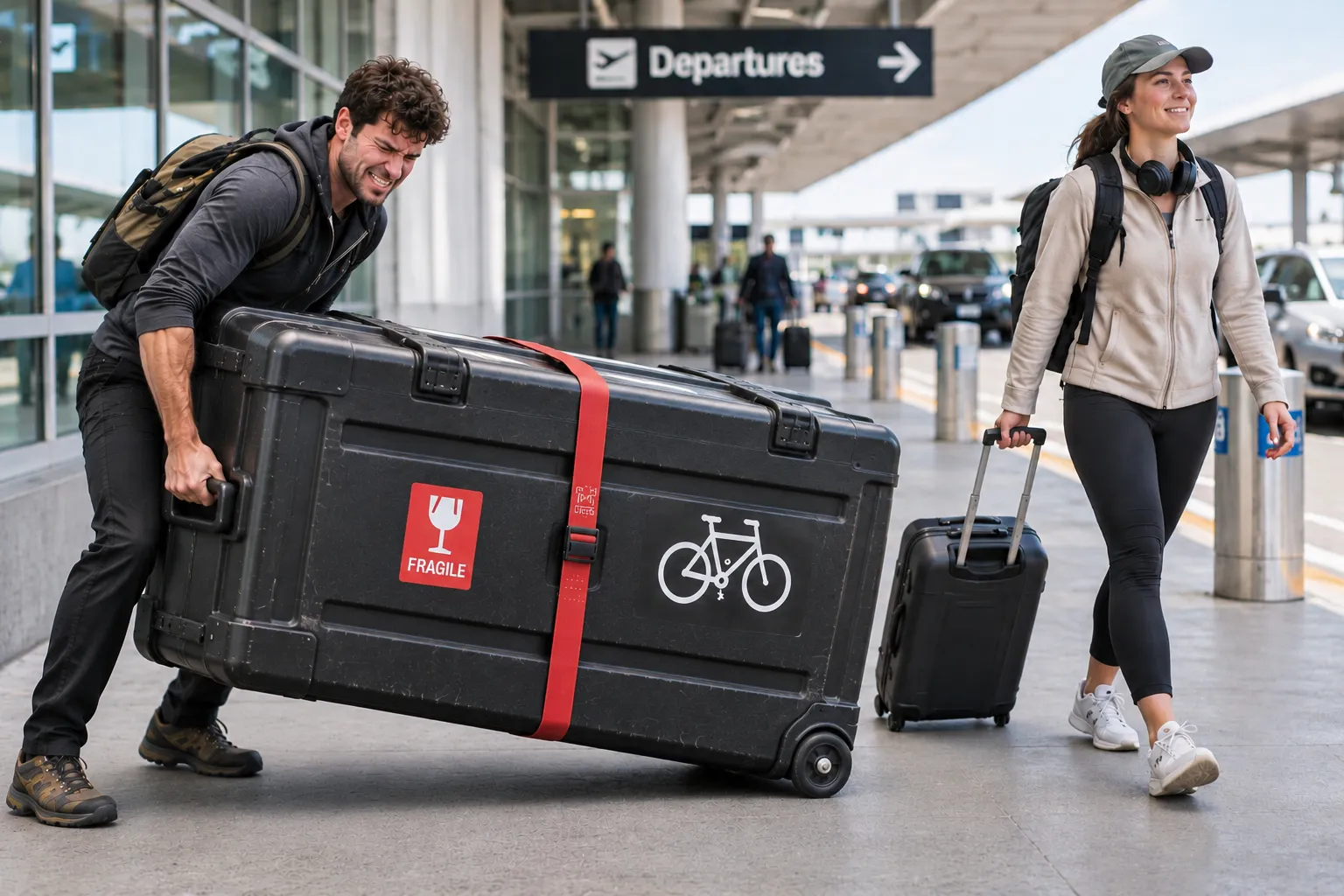 Ship or flyAirline bike fees vs. shipping your bike ahead: what each really costs in 2026, plus the hidden costs of hauling a bike through airports.
- FAQClear answers to common questions about shipping a bike: cost, how long it takes, flying versus shipping, events, movers, expensive bikes and international.